How to Connect Imessage to Mac Again
When you send messages from your iPhone, some display in blue bubbles while others appear in green bubbles. The blue messages use iMessage, Apple's proprietary messaging service, while the greens are standard SMS or MMS messages. If you turn iMessage off, all your messages send as standard messages and display in green.
So what if you didn't turn off iMessage, but your messages all display in green anyway? This is a problem with iMessage not working, and Apple doesn't exactly make it easy to figure out what's going wrong.
iMessage Not Working? Make Sure You Actually Have a Problem
Before you assume the worst, it can't hurt to examine the problem. Are you sure iMessage isn't working with everyone, or is it just not working when you message one contact?
Try sending iMessages to a few different people who you know use iMessage to find out if it works for any of them.
If you're having trouble with iMessage when sending messages to a single contact, the problem is probably on their end. On the other hand, if iMessage isn't working with any of your contacts, and you know they're using iMessage, the problem is probably happening with your device.
Send a Test Message (or Two)
If you haven't already, try sending a message to a friend or family member you know uses iMessage. If iMessage doesn't work with them, try contacting another person that you know uses iMessage. This will help you figure out if the problem is on your device.
You may not have multiple contacts you can check with if most of your friends use Android. In this case, if you have multiple devices using iMessage, try sending messages with each. That way you can see if iMessage works on your Mac but not your iPhone, for instance.
If iMessage is working on your iPhone but your messages aren't delivering, this is another subject entirely. Instead, read our guide to fixing "iMessage Not Delivered" on your iPhone.
Make Sure iMessage Is Configured Correctly
Even though you have iMessage enabled, you may not have it enabled for a specific number. This is easy to check. On an iPhone or iPad, open Settings and scroll down to Messages. It sounds obvious, but make sure the iMessage slider is enabled here. Then tap on Send & Receive.
Here you'll see the phone numbers and email addresses you can associate with iMessage. Make sure all the numbers and email addresses you want to use are enabled.
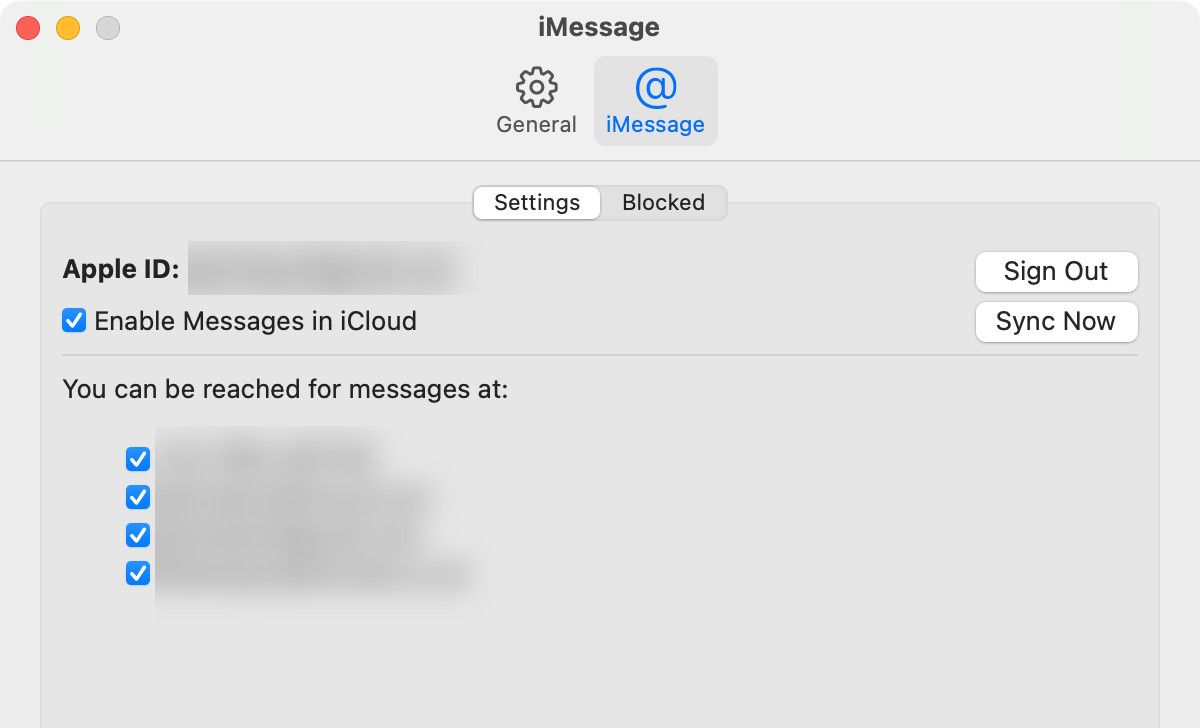
On a Mac, open the Messages app. From the menu bar, select Messages > Preferences, then go to the iMessage tab. Make sure any number or email addresses you want to use with iMessage are enabled here.
If you're having issues on multiple devices, repeat these steps on any device you're having issues with.
Try Different Send & Receive Options
If iMessage is still not working on your iPhone, iPad, or Mac, try using different options in the Send & Receive settings. On an iPhone or iPad, go to Settings > Messages > Send & Receive. On a Mac, open Messages and go to Messages > Preferences iMessage.
From this screen, you should see all the phone numbers and email addresses linked to your Apple ID account. Try enabling or disabling different options to see if any combinations make iMessage start working again.
In general, it's also best to choose to Start New Conversations From your mobile number, if you're using an iPhone.
Restart iMessage and Reboot Your Device
On your Mac, you likely end up rebooting about once a week, but this is less common on an iPhone or iPad. A reboot alone can help, but there's another step you'll want to take to resolve iMessage issues. You'll want to turn off iMessage, reboot, then turn it back on.
On an iPhone or iPad, launch Settings, then scroll down to Messages. The iMessage toggle is located near the top of the screen. Turn it off, reboot your device, then turn it back on using the same method.
On a Mac, launch the Messages app and select Messages > Preferences from the menu bar. Go to the iMessage tab, and under your Apple ID, uncheck Enable Messages in iCloud. Reboot your Mac, then turn this setting back on.
To be extra thorough, you may want to do this for every device you use with iMessage.
Sign Out and Back In to iMessage
This is another method that is so simple it can't hurt to try: log out of iMessage, then log back in.
On an iPhone or iPad, open the Settings app and scroll down to Messages. Here, tap Send & Receive. From this menu, tap on your Apple ID at the bottom of the screen. In the dialog that pops up, tap Sign Out.
After you sign out, tap on Use your Apple ID for iMessage. In the dialog that pops up, it will show your Apple ID and ask if you want to log in with that. Tap Sign In to log in with that ID.
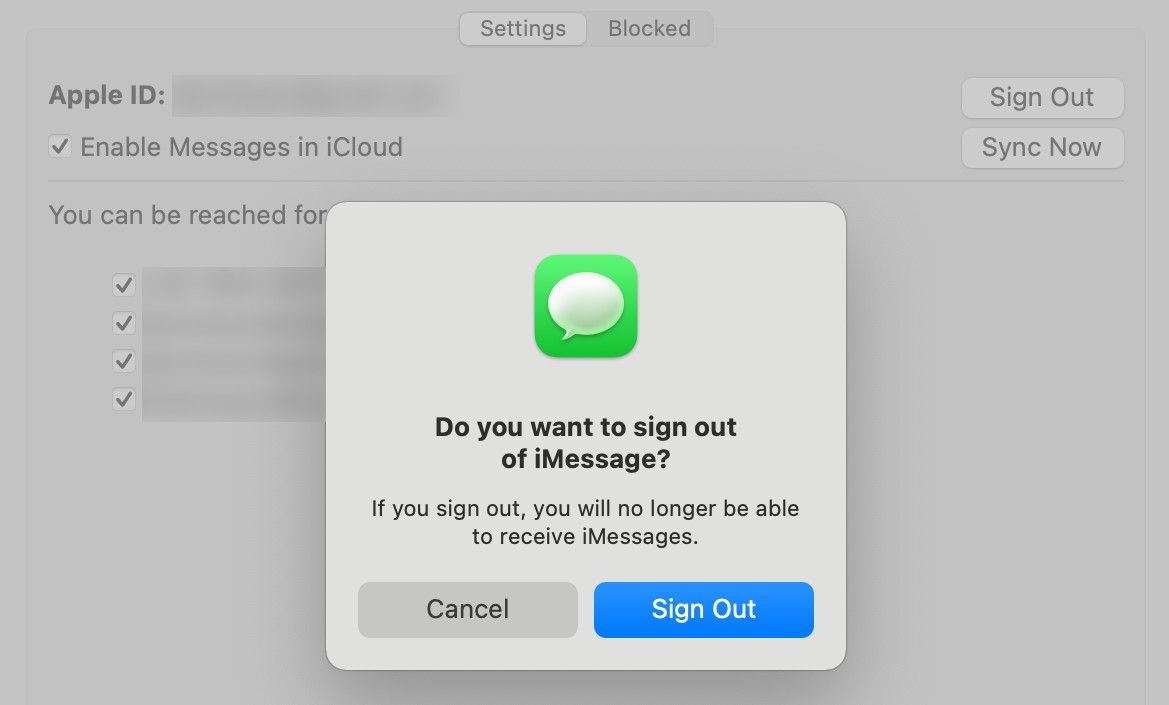
On a Mac, open the Messages app. Go to Messages > Preferences from the menu bar, then choose the iMessage tab. Click on Sign Out, then click the button also labeled Sign Out. You'll immediately see a login screen, with your Apple ID email address already entered. Enter your password, then choose Next.
Test Your Internet Connection
Unlike regular texts, iMessages send over the internet. So you need to have a working Wi-Fi connection or good cell reception with available mobile data to use iMessages. Open a web browser and try loading a new webpage to test your internet connection.
If you can't get online, that will explain why iMessage isn't working on your iPhone or Mac. Try connecting to a different Wi-Fi network or check how much mobile data you've got left.
Strangely, iMessage doesn't always let you activate the service over Wi-Fi. So if you're trying to use iMessage for the first time but can't get it working at all, try disabling Wi-Fi temporarily and activate iMessage on your iPhone over cellular data instead.
Reset Network Settings
This is an iOS-only option, and worth trying if iMessage still isn't working after trying the above fixes. Resetting your network settings is a fix for several iPhone and iPad issues, and can often fix iMessage-related problems.
Launch Settings, then scroll down and select General. Here, scroll again and select Transfer or Reset iPhone at the bottom of the screen. Then tap on Reset > Reset Network Settings.
Don't worry about losing any data; this will only reset network settings. All apps and files on your iPhone or iPad will remain untouched. However, your phone will forget saved Wi-Fi networks, so you'll need to enter their passwords again.
Other Possible iMessage Fixes Worth Trying
There are a few other possible fixes you can try when iMessage is not working. If you're not receiving iMessages on a certain device, one simple tip is to try sending a message from that device. This is something that several Mac and iOS users on the internet have reported working for them. It might sound strange, but it's worth a try.
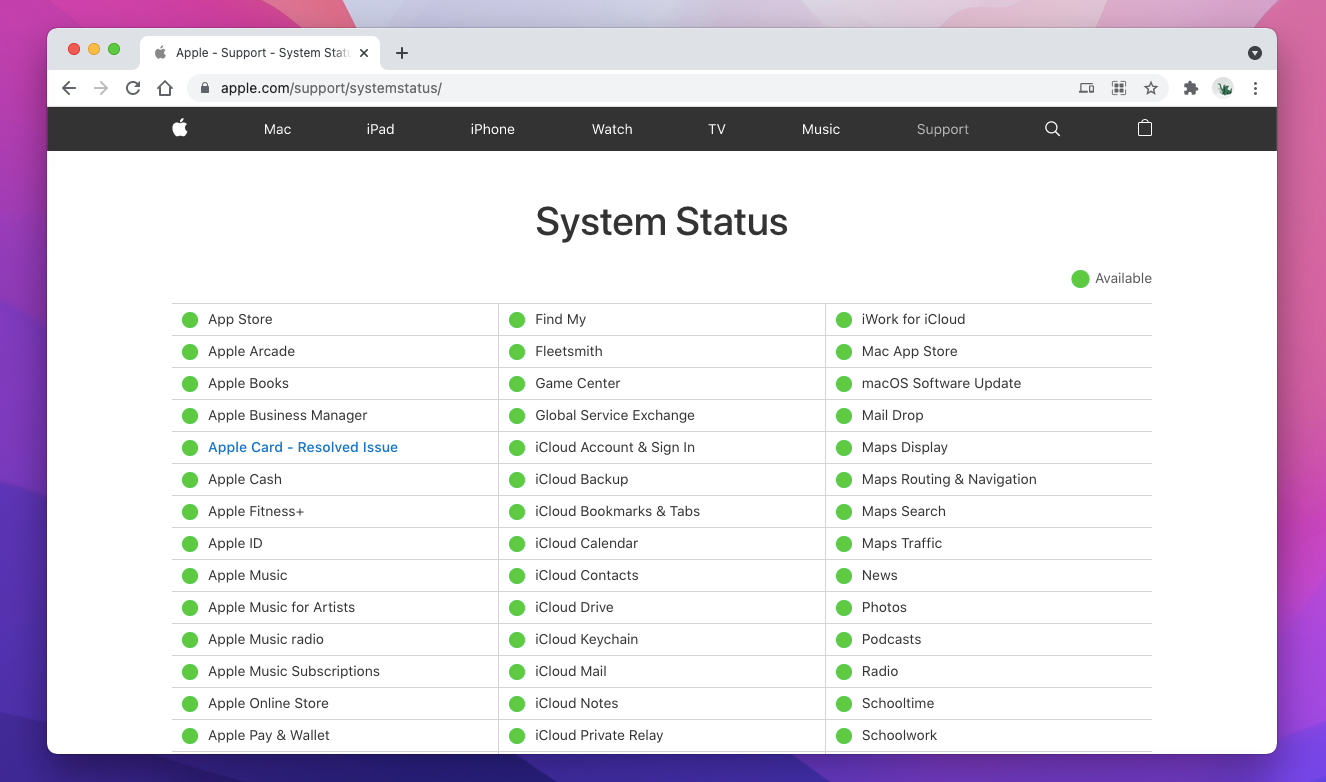
You should also visit Apple's System Status website to make sure iMessage isn't down for everyone. Make sure there's a green circle next to iMessage. If there's anything else, it means Apple is experiencing technical issues; you'll need to wait for Apple's technicians to fix it.
Another possible fix is to check if a macOS or iOS update is available. This is especially true if you've recently updated. Apple issues updates to improve your device and fix bugs, but these updates can sometimes introduce new bugs. If this is the case, Apple may have already issued a new update to fix it.
Finally, if nothing else works, you can try contacting Apple Support. They may have options beyond what we've compiled here.
Having Trouble With Regular Text Messages Too?
Hopefully, one of the above fixes got iMessages working again on your iPhone, iPad, and Mac. If you're having the problem on multiple devices, you'll need to repeat the step that worked on every device. If that doesn't help, hopefully another one of the steps will.
What if your standard SMS or MMS messages aren't working? Fortunately, we have some fixes for that as well.
About The Author

Source: https://www.makeuseof.com/tag/imessage-not-working-on-mac-iphone-ipad/#:~:text=On%20a%20Mac%2C%20launch%20the,device%20you%20use%20with%20iMessage.
0 Response to "How to Connect Imessage to Mac Again"
Post a Comment